FOR FACELESS CHANNELS
The face was never
the hard part.
A faceless YouTube channel lives or dies on production: a script worth hearing, a voice worth trusting, footage that matches, captions, a cut — every upload, every week. Filmwright is the studio that does that part. You run the channel.
EVERY PRICE IS ON THE BUTTON BEFORE YOU PRESS IT.
WHAT AN UPLOAD ACTUALLY TAKES
Every upload is a small film.
Treat it like one.
Most faceless videos fail the same way: a script that rambles, a voice that grates, footage that almost fits. Filmwright runs the full crew's worth of work and pauses for your yes at every level — while changing your mind is still cheap.
SCRIPT
One typed premise becomes a script you can actually read — hook, beats, payoff. Rewrite any line before it costs anything.
VOICE
Pick a narrator from the cast, or several. Dialogue is dubbed first, so scenes are cut to the read — not the other way around.
BOARDS
Every scene gets a frame before it gets a budget. Kill the weak shots while they're still drawings.
SHOOT
Footage is generated to match the boards — or skip it and bring your own clips for any scene.
POST
Score, cut, and captions burned in for the 80% who watch on mute. Out comes an upload-ready file.
Want the full tour, one production followed start to finish? Watch the making-of on the home page. Already writing your own scripts? Paste them straight in.
CHANNELS THAT NEVER SHOW A FACE
Pick a lane. Any lane.
These frames are from real Filmwright productions — different worlds, different formats, not a host in sight.

WILDLIFE & NATURE DOCS
High RPM, evergreen, and nobody expects a host on the savanna.

TRAVEL & CULTURE
Go everywhere. Appear nowhere.

KIDS' STORIES
Original characters, a narrator kids trust, zero on-camera anyone.

SLEEP & AMBIENT STORIES
Build atmospheric stories in chapters, with a recurring cast and locations.
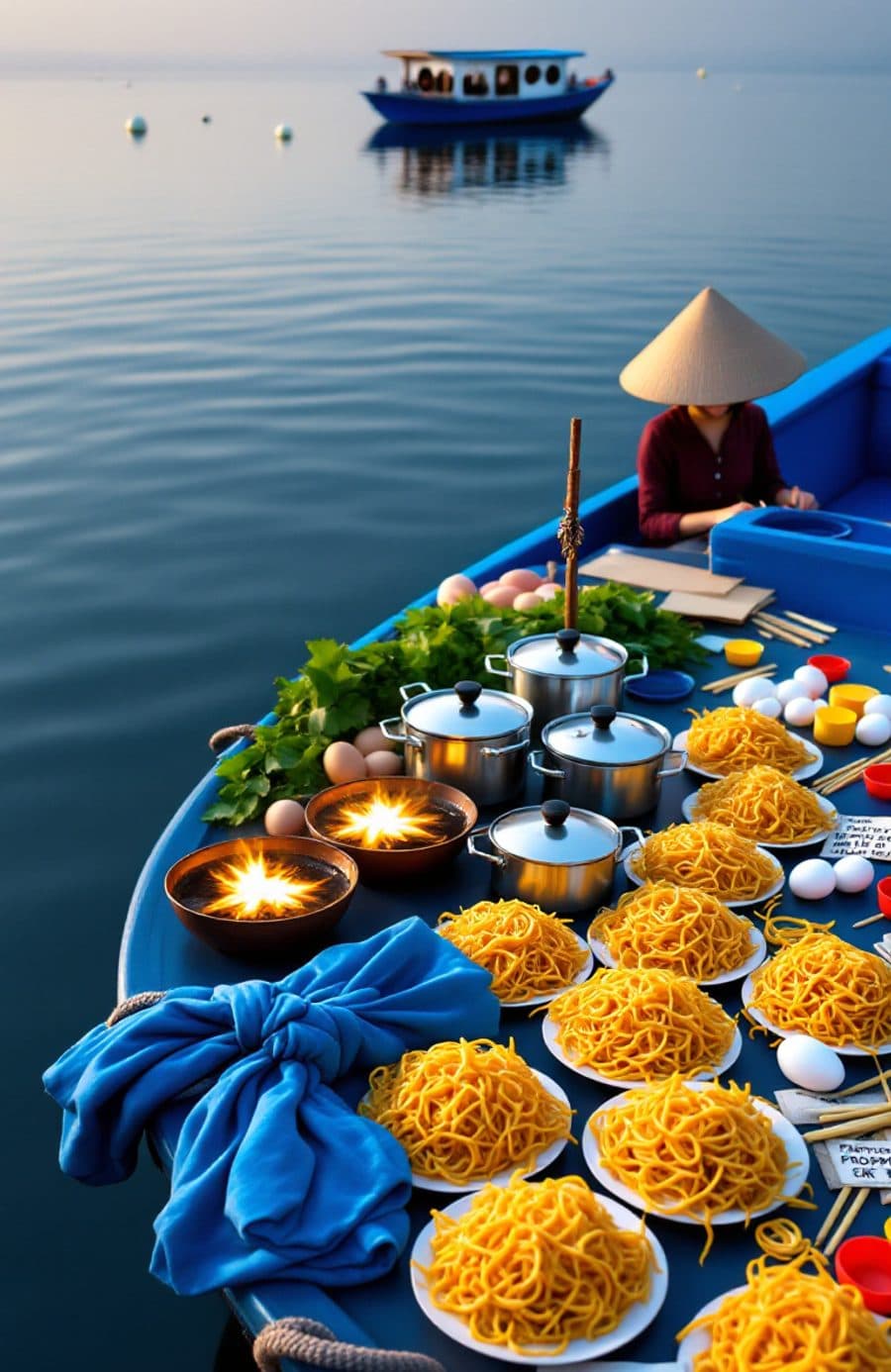
FOOD & STREET MARKETS
The food is the star. It never asks for credit.
ALSO SHOOTING: TRUE CRIME · HISTORY · SPACE · FINANCE · STOICISM · BOOK SUMMARIES · SCIENCE · MYTHOLOGY
THE ARITHMETIC
Cadence is the whole game.
Nobody's first video pops. Channels win by still uploading in month six — which makes the real question cost per video, not cost per month. Your model, shot lengths and retakes determine the credit cost. Longer films cost more; you see the price before every render.
Every plan includes the full studio. Film count depends on your model, generated duration, voice, images and retakes.
BEFORE YOU ASK
Fair questions.
Do faceless YouTube channels actually make money?
Yes — the same way every channel does: watch time against your niche's ad rates, then sponsors and affiliates once you have an audience. Finance, history, true crime, and documentary niches pay some of the highest RPMs on the platform, and none of them need a face. What they need is cadence: channels die from missed uploads, not missing hosts.
Will YouTube monetize AI-made faceless videos?
YouTube's rules target repetitive, low-effort content — not the tools used to make it. A video with an original script, real narration, and visuals made for that story is eligible; the same slideshow re-rendered fifty times is not. Filmwright builds each video as a scripted film you approve scene by scene, which is exactly the 'original commentary and added value' the policy asks for.
How do I start a faceless YouTube channel?
Pick a niche you can stay interested in for fifty uploads. Type one line into Filmwright — a premise, not a script. Approve the script, the voice, the boards. After generation and review you have an upload-ready file with captions burned in. Repeat weekly. The niche choice matters more than the first video does.
What are the best faceless channel niches?
The reliable ones sit where high ad rates meet evergreen demand: finance and money stories, history, true crime, science explainers, sleep stories, and kids' storytelling. But the honest answer is: the best niche is one you'll still want to write a premise for in month six. Consistency compounds; novelty doesn't.
How long does one video take to make?
Timing depends on your scene count, video model, provider queues and reviews. Start with a short film, then build more chapters. Each approved shot advances the production.
FROM THE STUDIO