SCRIPT → SCREEN
Every slugline becomes a scene.
These are three beats from a real production — the left column is the script, the right column is the film it became. Nothing here is a mockup.
EXT. GASLIT STREET — DUSK
Rain just ended. A long cobblestone street, every lamp along it dark.
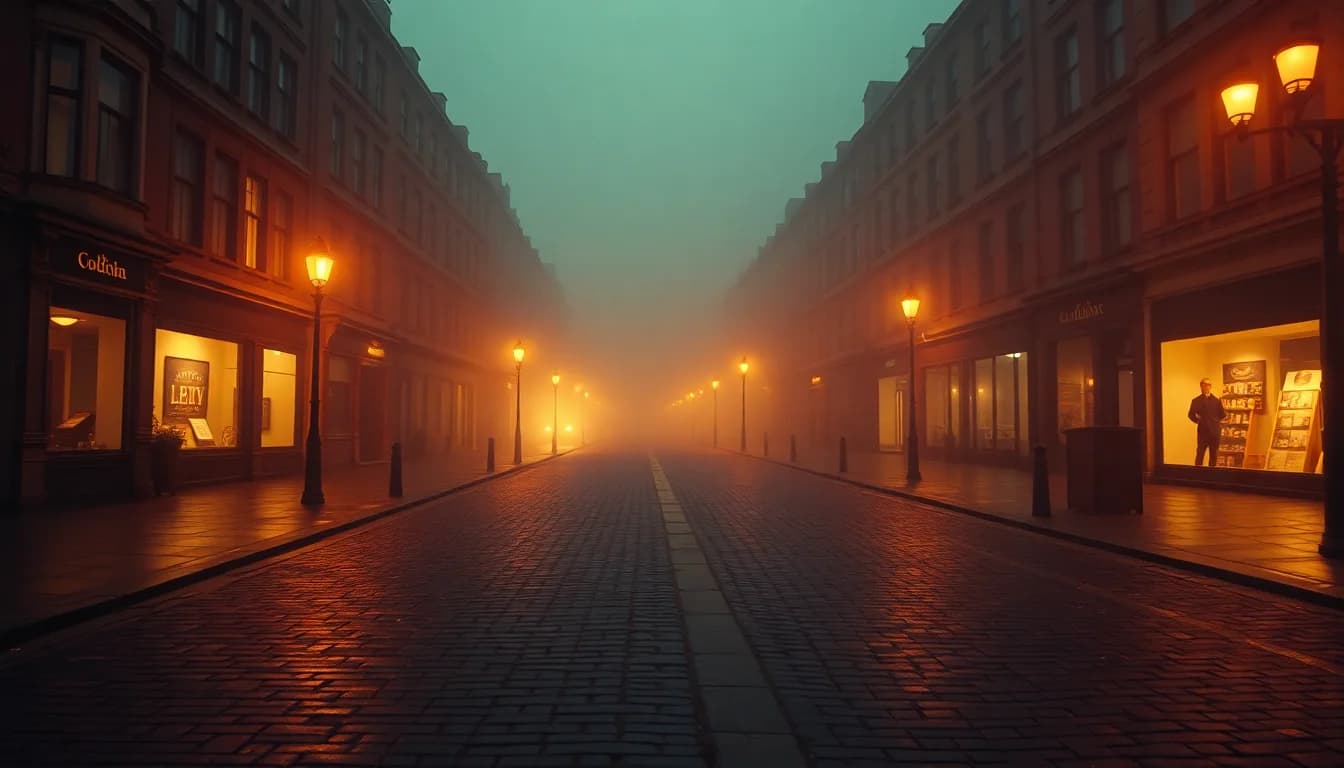
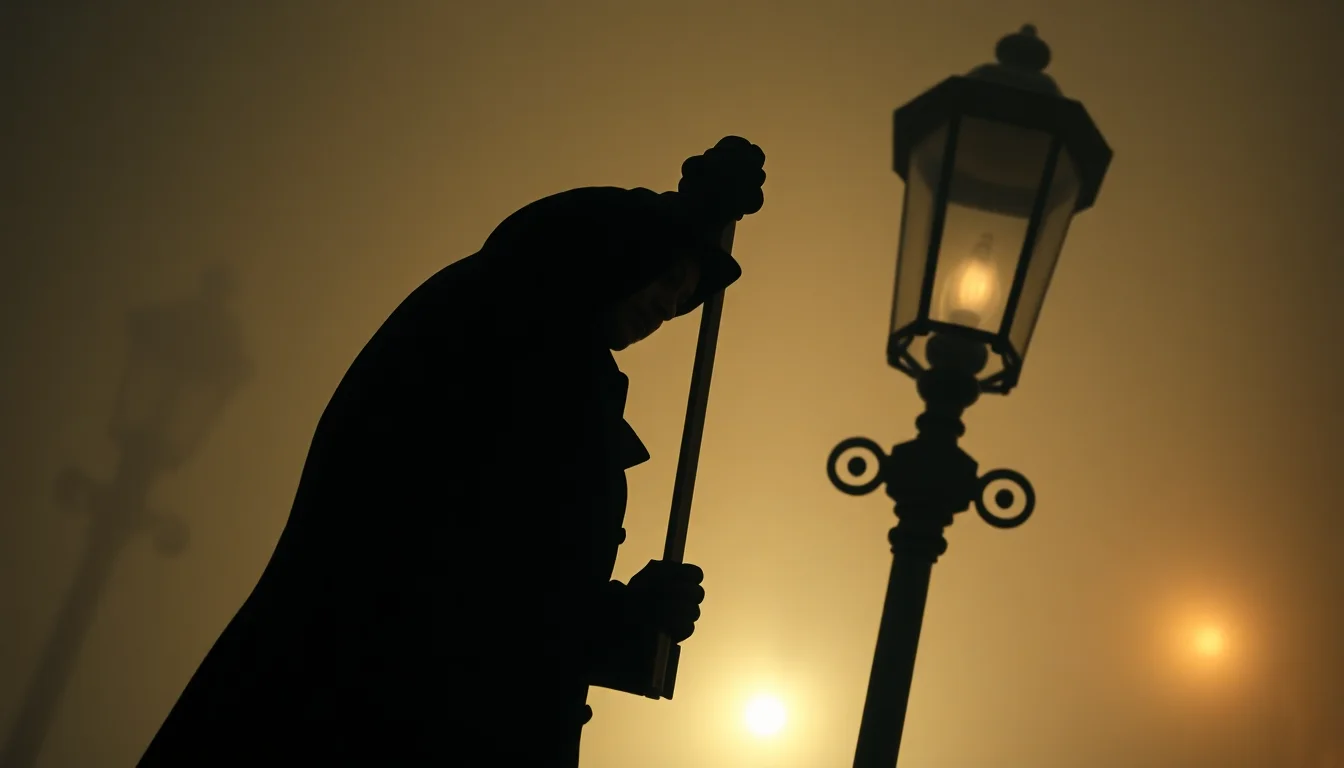
SAME — CONTINUOUS
THE LAMPLIGHTER, coat heavy with the day, leans his ladder into the first post and climbs.
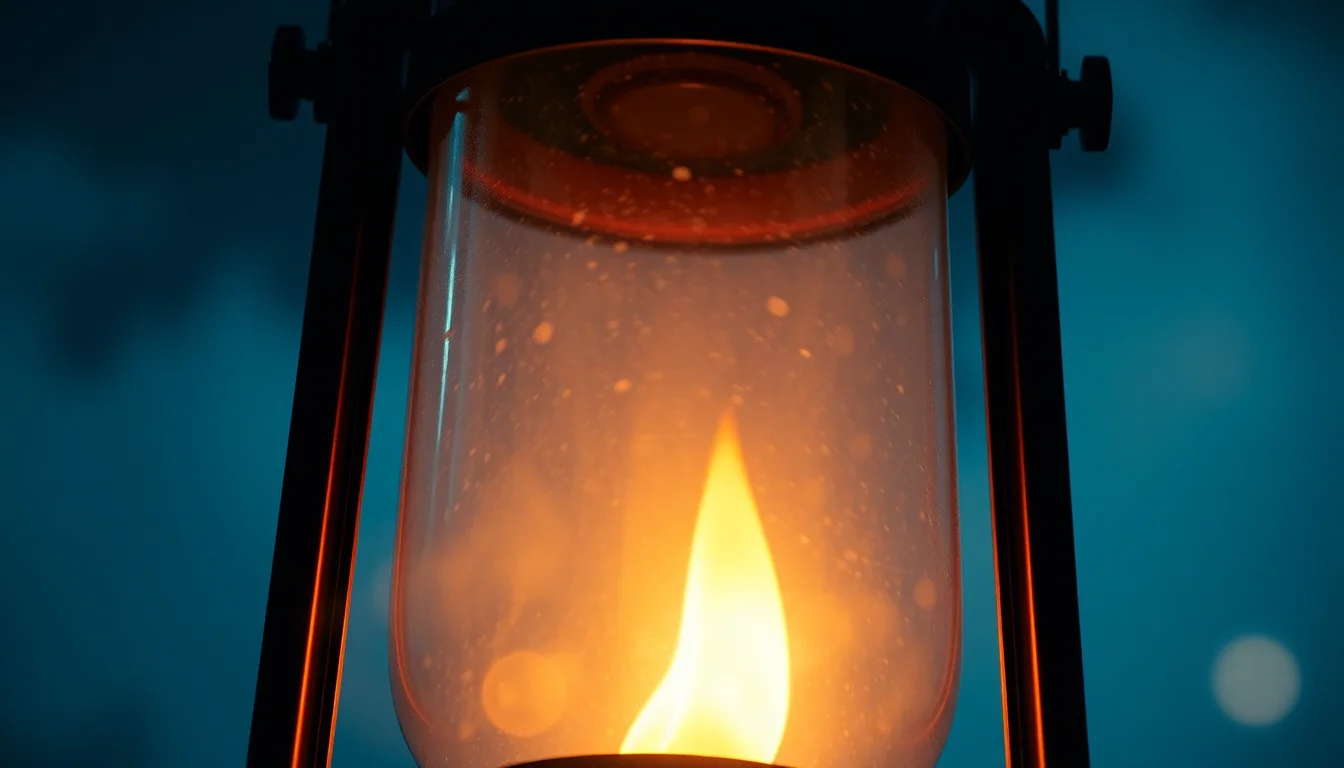
INSERT — THE WICK
It catches. The first flame of the evening. He allows it a nod.
NOT A CLIP GENERATOR
Eight seconds was never a film.
Prompt-to-clip tools hand you one gorgeous shot with no memory of the last one. A script is the opposite of that: characters recur, scenes answer each other, the ending pays off page one. Filmwright is built script-first — so the things your pages already do are the things the film keeps.
A CAST, NOT A VOICE
Give each character their own voice from the studio cast. Dialogue scenes read like scenes, not like one narrator doing bits.
DUB-FIRST DIALOGUE
Lines are recorded before scenes are shot, so the footage is cut to the performance — never the other way around.
SILENT WHERE WRITTEN
If your page says nothing, nothing gets said. Silence is a choice the film keeps.
THE SAME PROTAGONIST
Subject consistency holds your character's face, coat, and world steady from shot to shot.
CAPTIONS, BURNED
Every line lands on screen for the audience watching on mute — which is most of them.
SIXTY SECONDS TO SIXTY MINUTES
Shorts, episodes, or chaptered long-form. Your page count sets the runtime, not our ceiling.
Running a channel that needs this every week? See how faceless channels use the studio.
BEFORE YOU ASK
Fair questions.
How does Filmwright turn my script into scenes?
It reads your pages the way a first AD would: scene headings and beats become a scene list, dialogue is assigned to characters, and each scene gets a storyboard frame. You see and approve that breakdown before anything renders — so the film that gets shot is the one you meant to write.
Can different characters have different voices?
Yes. You cast each speaking part from the studio's voice cast, and dialogue is dubbed before the scenes are shot so the cut follows the read. Cloning your own voice isn't supported — you pick from the cast.
What formats can I paste in?
A proper screenplay, an essay, a newsletter issue, or plain bullet-point beats — anything with a beginning and an intention. Filmwright structures it into scenes; the more shape your pages have, the more faithfully the film follows them.
What if I only have an idea, not a script?
Then you're one level earlier in the same pipeline. Type the idea as a single line and Filmwright writes the script first — which you can rewrite line by line before a single credit is spent on footage.
Can I use my own footage or music?
Yes, per scene. Attach your own clips where you have them and let Filmwright shoot the scenes you don't; drop in your own score or let the studio compose one. Mixed productions are normal, not a workaround.
How long can the finished video be?
Start with a short video and build additional chapters. Longer films render as chapters so you can review and re-shoot a section without paying for the whole picture again.